End of Tenancy vs. Deep Cleaning: What’s the Difference?
What’s the difference between end of tenancy vs. deep cleaning? End of tenancy cleaning focuses on preparing a property for new occupants, ensuring it’s spotless to meet landlord expectations and secure your deposit. In contrast, deep cleaning targets hidden dirt and allergens throughout the entire space, improving air quality and comfort.
While both services are essential, they serve different purposes and timeframes. If you’re unsure which cleaning option suits your needs best, there’s more you can explore to help make your decision clear.
Key Takeaways
- End of tenancy cleaning focuses on preparing a property for new tenants and securing the return of the security deposit.
- Deep cleaning targets hidden dust and allergens, improving indoor air quality and overall comfort.
- End of tenancy cleaning typically takes 3-5 hours, while deep cleaning requires 5-8 hours for a thorough job.
- Cost for end of tenancy cleaning ranges from $150 – $300, whereas deep cleaning costs between $200 – $400.
- Clear communication with the cleaning team about specific needs is crucial for both types of cleaning to ensure satisfactory results.
What Is End of Tenancy Cleaning?
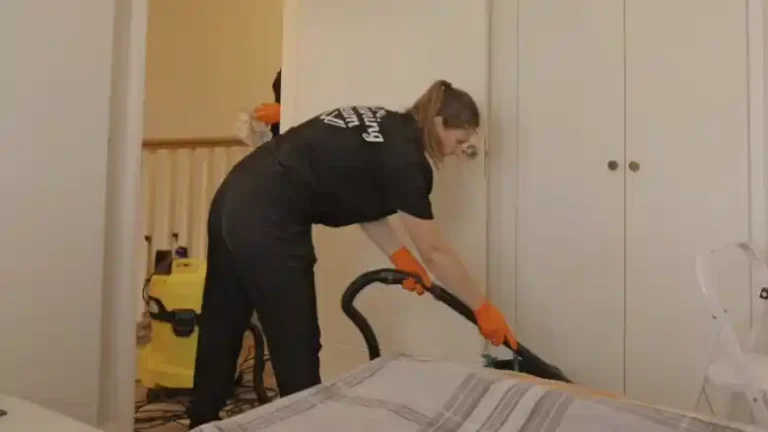
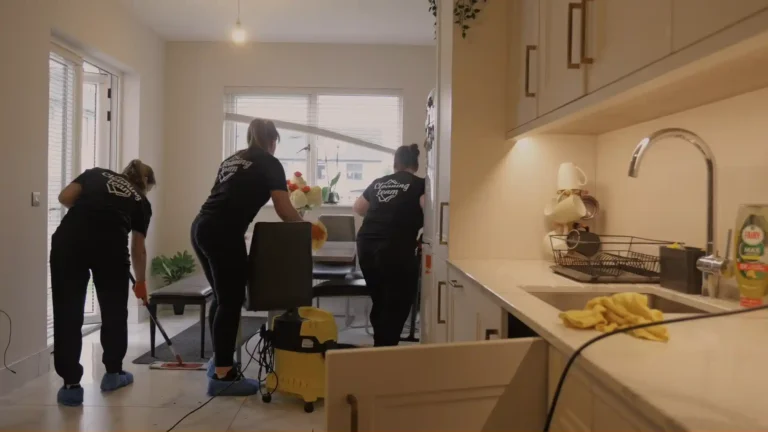
End of tenancy cleaning is a thorough cleaning process that takes place when a tenant moves out of a rental property.
You’ll want to guarantee every corner sparkles, making the space welcoming for the next tenant. This cleaning typically includes dusting, vacuuming, and scrubbing surfaces, leaving the property in excellent condition.
When you take the time to do this, you show respect for the home and its future inhabitants. It’s not just about getting your deposit back; it’s about leaving a positive mark on a place that once held memories.
What Does Deep Cleaning Involve?
When you think about deep cleaning, it’s essential to know what key areas need attention.
Understanding the frequency and purpose behind these cleanings can help maintain a healthy living space.
Let’s explore what’s involved in a thorough deep clean.
Key Areas Addressed
Deep cleaning goes beyond the standard cleaning routine, targeting areas that often get overlooked. You’ll want to focus on spots that accumulate grime and dust over time. Here are some key areas typically addressed during a deep clean:
| Area | Common Issues | Benefits |
| Kitchen Appliances | Grease buildup | Improved efficiency |
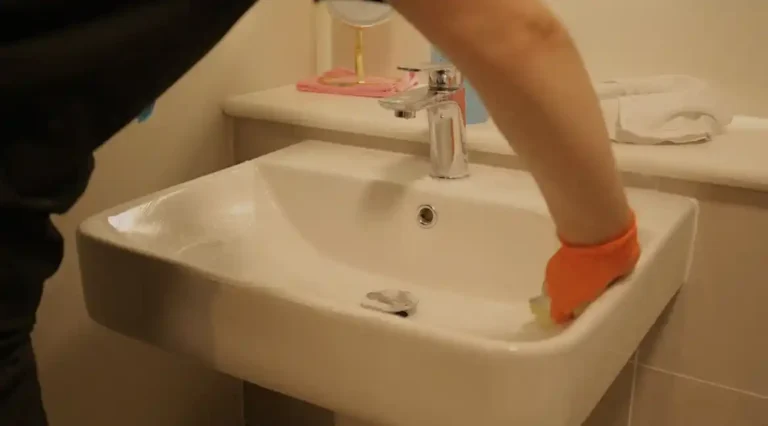
| Bathroom Fixtures | Mold and mildew | Enhanced hygiene |
| Carpets and Rugs | Stains and allergens | Better indoor air quality |
| Baseboards and Corners | Dust and dirt | A polished look |
Frequency and Purpose
Understanding the frequency and purpose of deep cleaning helps clarify its significance in maintaining a clean living environment.
Deep cleaning isn’t just a seasonal chore; it’s essential for your comfort and health. You should aim for a thorough deep clean every three to six months, depending on your lifestyle. This process goes beyond surface cleaning, tackling hidden grime and allergens that accumulate over time.
It involves scrubbing floors, sanitizing bathrooms, and cleaning kitchen appliances. By prioritizing deep cleaning, you create a welcoming space that feels fresh and inviting.
It’s about fostering a sense of belonging in your home, ensuring that every corner reflects care and attention. Remember, a clean space nurtures a clear mind and a warm atmosphere.
Essential Goals of End of Tenancy Cleaning
When it comes to end of tenancy cleaning, you need to focus on two essential goals: a thorough property inspection and meeting your landlord’s requirements.
This thorough approach guarantees you leave the property in top condition, which can help secure your deposit return.
Understanding these goals will guide your cleaning process effectively.
Thorough Property Inspection
A thorough property inspection is essential in ensuring that every corner of the space meets the required standards for end of tenancy cleaning.
This process allows you to identify areas needing extra attention, ensuring your home feels welcoming and well-maintained for the next occupant. You’ll want to check for dust build-up, stains, or any damage that could affect your security deposit.
By doing so, you not only fulfill your obligations but also leave a positive impression. Remember, a clean and tidy space reflects your care for the property, making it more inviting.
Taking the time for this inspection means you’re not just moving out; you’re leaving a legacy of respect for the place you called home.
Focus on Landlord Requirements
While focusing on landlord requirements, it’s crucial to recognize the essential goals of end of tenancy cleaning. You want to guarantee the property meets the standards expected by your landlord, which often includes a thorough clean of all surfaces, appliances, and fixtures.
This attention to detail not only helps you secure your deposit but also demonstrates respect for the property.
Landlords typically expect a spotless environment, free from dust, stains, and odors. By fulfilling these requirements, you create a smooth shift for the next tenant, fostering goodwill and positive relationships.
Why Choose Deep Cleaning for Your New Home?
Choosing deep cleaning for your new home can make all the difference in creating a fresh and inviting space. It sets the stage for you to truly feel at home. A deep clean guarantees every corner sparkles, eliminating lingering dust and allergens. This attention to detail not only enhances aesthetics but also promotes a healthier environment for you and your loved ones.
| Benefit | Description | Impact |
| Fresh Start | Removes dirt and odors | Creates a welcoming atmosphere |
| Healthier Living | Eliminates allergens | Improves air quality |
| Personal Touch | Customized cleaning | Reflects your style |
| Stress Reduction | Organized and tidy space | Enhances peace of mind |
Comparing Time Investment: End of Tenancy vs. Deep Cleaning
When you’re weighing the time investment for end of tenancy cleaning versus deep cleaning, you’ll notice some key differences.
Consider how often you need to clean and the specific tasks involved in each process.
Understanding these factors can help you make the best choice for your situation.
Time Required For Each
Determining how much time you’ll need for end of tenancy cleaning versus deep cleaning can greatly impact your planning. Each task requires a different level of effort and focus, which can affect your schedule.
Here’s a quick comparison:
| Cleaning Type | Estimated Time | Key Considerations |
| End of Tenancy | 3-5 hours | Focus on specific areas |
| Deep Cleaning | 5-8 hours | Thorough approach |
When you plan accordingly, you can guarantee that every corner of your space feels welcoming, whether you’re moving in or out. Understanding these time requirements helps you align your expectations and stay on track, making the process smoother and less stressful.
Frequency Of Cleaning Tasks
Understanding the frequency of cleaning tasks is essential for effective maintenance, especially when comparing end of tenancy and deep cleaning.
With end of tenancy cleaning, you typically invest time after you’ve lived in a space for a while, making it a one-off, intensive effort. You’re preparing to leave, guaranteeing everything meets your landlord’s standards.
On the other hand, deep cleaning is more about regular upkeep. It’s a thorough cleaning that should ideally be done every few months. This way, you maintain a welcoming environment and prevent dirt buildup.
Scope Of Work Involved
While both end of tenancy and deep cleaning require significant effort, the scope of work involved varies greatly between the two.
When you’re preparing for an end of tenancy clean, you’re often tackling every corner of your home to guarantee it meets your landlord’s standards. This includes deep cleaning carpets, appliances, and potentially even the garden. It’s a thorough process that can take several hours.
In contrast, deep cleaning focuses more on specific areas like kitchens and bathrooms, aiming to eliminate long-standing grime.
While it’s still a hefty job, it usually takes less time than an end of tenancy clean. Knowing these differences helps you choose the right service to guarantee your space feels like home, whether you’re leaving or staying.
What’s Included in End of Tenancy Cleaning?
When you’re preparing for the end of your tenancy, knowing what’s included in end of tenancy cleaning can save you time and effort.
Preparing for the end of your tenancy? Understanding end of tenancy cleaning can help streamline your move-out process.
This type of cleaning goes beyond a regular tidy-up, ensuring you leave the property in top condition for the next tenant and your landlord.
Here’s what you can expect:
- Deep cleaning of all rooms, including kitchen and bathrooms
- Dusting and wiping down surfaces, including baseboards and light fixtures
- Carpet and floor cleaning, ensuring no stains remain
- Cleaning windows, frames, and sills for a sparkling finish
Health Benefits of Deep Cleaning vs. End of Tenancy Cleaning
Although both deep cleaning and end of tenancy cleaning aim to create a spotless environment, they can have different health benefits that are worth considering.
Deep cleaning goes beyond surface-level tidiness. It tackles hidden dust, allergens, and bacteria, promoting better indoor air quality. You’ll likely notice fewer allergy flare-ups and respiratory issues after a thorough deep clean.
On the other hand, end of tenancy cleaning focuses on preparing a space for new occupants. While it guarantees cleanliness, it mightn’t address all the health-related concerns in the same detail as deep cleaning.
Deposit retention made up 19% of all RTB dispute applications in 2024, a figure tracked in our Irish rental deposit statistics.
How Can End of Tenancy Cleaning Protect Your Deposit?
If you want to protect your deposit at the end of your lease, end of tenancy cleaning is crucial. A thorough clean can make all the difference when it comes to getting your money back.
Here’s how it helps:
A thorough clean ensures you impress your landlord and avoid costly deposit deductions.
- Impress Your Landlord: A spotless property shows you’ve cared for the space.
- Avoid Deposit Deductions: Deep dirt or damage can lead to charges that eat into your deposit.
- Meet Cleaning Standards: Many landlords have specific requirements, and a professional clean guarantees you meet them.
- Peace of Mind: Knowing you’ve left the property in great condition can ease the stress of moving.
When Should You Schedule End of Tenancy Cleaning?
You should schedule your end of tenancy cleaning as you’re preparing to move out, ideally right after your tenancy agreement ends.
This timing guarantees the property is in top shape for the next tenant and helps protect your deposit.
Before Moving Out
When should you schedule end of tenancy cleaning to guarantee a smooth move-out? Ideally, you should book your cleaning service for the day before your move-out date. This way, you can ascertain everything is spotless and ready for the final inspection.
Here are a few tips to keep in mind:
- Confirm your cleaning service well in advance to avoid last-minute stress.
- Clear out all your belongings to ascertain every corner is accessible.
- Consider a detailed checklist to make sure nothing gets overlooked.
- Allow yourself time to address any last-minute repairs or touch-ups.
After Tenancy Agreement Ends
Once your tenancy agreement ends, scheduling your end of tenancy cleaning promptly becomes essential for a smooth changeover.
You want to leave the space in pristine condition, ensuring you get your deposit back and maintain a good relationship with your landlord.
Ideally, plan the cleaning for the last day of your tenancy or shortly after you’ve moved out. This way, you can focus on packing and moving without added stress.
If you’re tight on time, consider hiring professionals who specialize in end of tenancy cleaning. They’ll handle the details, allowing you to feel confident that you’re leaving your home ready for the next tenants.
A clean home reflects your respect for the space and the community you’ve been part of.
Ideal Situations for Choosing Deep Cleaning
While many situations call for a thorough cleaning, choosing deep cleaning becomes essential in specific scenarios.
If you’re looking to create a welcoming environment or simply want to enhance your space, consider deep cleaning in these situations:
- You’ve recently moved into a new home and want to start fresh.
- You’ve had pets, and their fur and dander are lingering.
- You’ve hosted a big event, leaving behind a mess that needs attention.
- You haven’t cleaned certain areas, like carpets or upholstery, in a long time.
In these instances, deep cleaning does more than just tidy up; it revitalizes your space, making it feel like home.
You deserve a clean, comfortable place where you can truly belong.
Cost Comparison: End of Tenancy vs. Deep Cleaning
Understanding the cost differences between end of tenancy cleaning and deep cleaning can help you make an informed decision. Both services carry unique pricing structures based on the level of detail and time required. Here’s a quick comparison:
| Service Type | Average Cost | Key Factors |
| End of Tenancy | $150 – $300 | Size of the property, location |
| Deep Cleaning | $200 – $400 | Condition of the space, special requests |
| Regular Cleaning | $100 – $200 | Frequency, size, services included |
| Move-Out Cleaning | $180 – $350 | Cleaning supplies, hours worked |
| One-Time Cleaning | $150 – $300 | Specific areas targeted |
Common Misconceptions About End of Tenancy Cleaning
Many people hold misconceptions about end of tenancy cleaning that can lead to confusion and unexpected costs. Understanding the facts is essential for a smooth shift to your next home.
Misunderstanding end of tenancy cleaning can lead to confusion and unexpected expenses during your move.
Here are some common myths:
- It’s just a basic clean: Many think it’s similar to regular cleaning, but it often requires deep cleaning standards.
- Landlords always cover the cost: Don’t assume your landlord will pay for cleaning; it’s usually your responsibility.
- You can do it yourself easily: While you can, DIY may not meet the expectations for getting your deposit back.
- All cleaning services are the same: Quality varies, so research and choose wisely to guarantee a thorough job.
Clearing up these misconceptions can save you time and money.
Deep Cleaning: More Than a Surface Clean
Deep cleaning goes far beyond a quick wipe-down or vacuuming; it tackles hidden dirt and grime that accumulate over time.
When you invest in deep cleaning, you’re creating a welcoming environment where you can truly feel at home. It’s about scrubbing those hard-to-reach corners, sanitizing surfaces, and eliminating allergens that regular cleaning might miss.
Imagine walking into a space that not only looks clean but feels fresh, inviting you to relax and connect with loved ones. This thorough approach not only enhances your living space but also nurtures your well-being.
You deserve a home that reflects care and comfort, making deep cleaning an essential part of maintaining your sanctuary. Embrace the difference it can make in your life!
How to Select the Right Cleaning Service for You
Choosing the right cleaning service can feel overwhelming, especially with so many options available.
To make the process easier, consider these key factors:
- Reputation: Look for reviews or recommendations from friends and family.
- Services Offered: Guarantee they provide the specific cleaning services you need.
- Pricing: Get quotes from multiple companies to find a service that fits your budget.
- Insurance and Policies: Check if they’re insured and understand their cancellation or satisfaction policies.
Preparing for Your End of Tenancy Cleaning Appointment
As you prepare for your end of tenancy cleaning appointment, it’s essential to guarantee that your space is ready for the cleaning team.
Start by decluttering your belongings; pack up personal items and remove any trash. This helps the cleaners focus on deep cleaning your space, rather than tidying up.
Next, make sure to communicate any specific areas of concern to the cleaning team beforehand. If you’ve had pets, mention that too, as it may require special attention.
Finally, check the access points, ensuring the team can easily get in and out.
Frequently Asked Questions
Conclusion
As you decide between a standard end of tenancy clean and a deep clean, remember that the right choice can make your move far less stressful and set you up for a smooth fresh start. It’s not just about leaving the property clean — it’s about peace of mind and confidence going into your inspection.
If you want to leave the place spotless without the hassle, Cleaning Team can take care of everything for you, cleaning to landlord and letting-agent standards so you can focus on your move and getting your deposit back.