Signs Your Dryer Heating Element Needs Replacement
If you’ve noticed your dryer turning on but not producing heat, it might be time to evaluate its heating element. You might find that your clothes come out damp even after a full cycle, or you hear odd noises like buzzing or grinding during operation.
These signs could indicate more than just minor issues; they may point to a heating element that’s failing. Understanding what these symptoms really mean can save you time and money, and it might reveal some unexpected solutions you hadn’t considered.
Key Takeaways
- The dryer turns on but does not produce heat, indicating a potential malfunction in the heating element.
- Clothes remain damp after a complete drying cycle, suggesting ineffective heating.
- Unusual noises, such as buzzing or grinding, may point to internal issues with the heating element.
- Inconsistent drying times, where some loads take longer than others, can signal heating element problems.
- Frequent tripping of circuit breakers while the dryer is in use could indicate electrical issues related to the heating element.
Why Dryer Heating Elements Matter
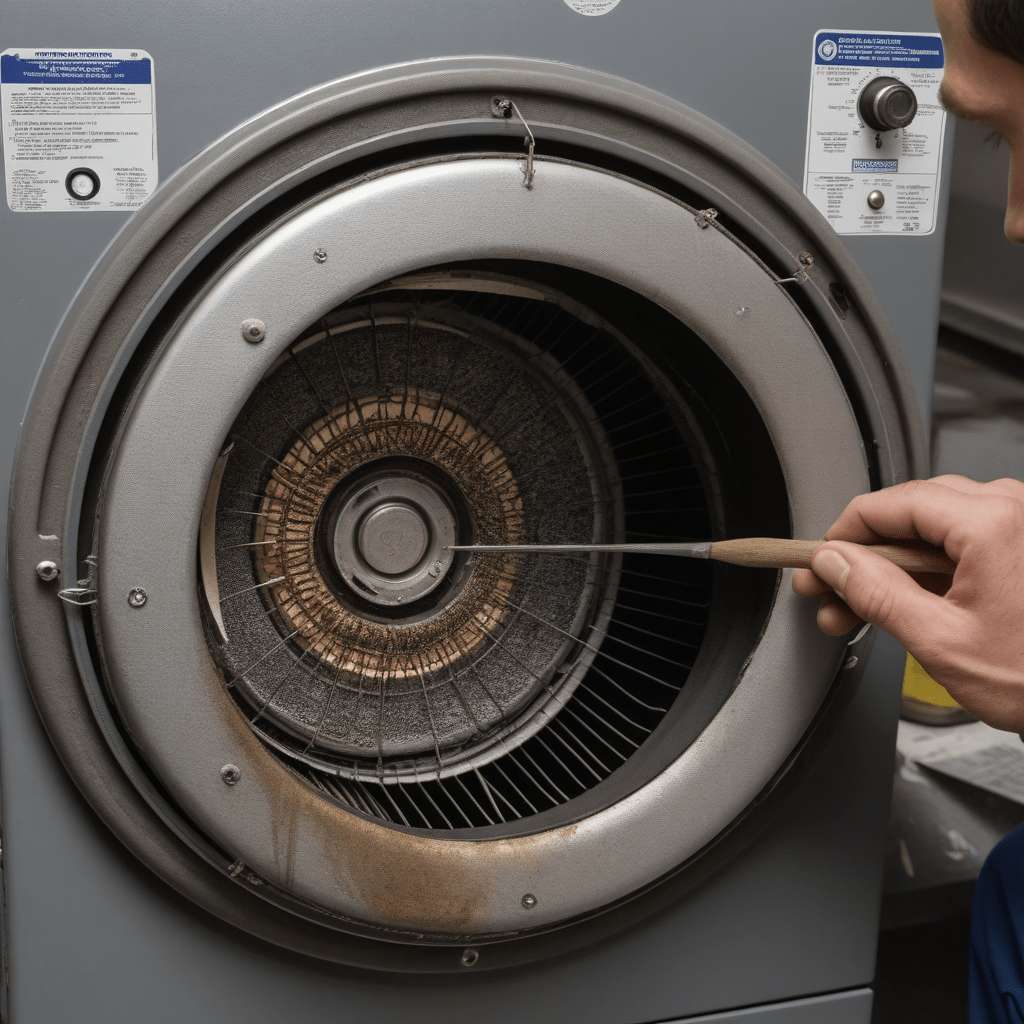
When it comes to drying clothes efficiently, understanding the role of dryer heating elements is essential. These components are crucial for generating the heat needed to dry your laundry effectively.
The heating element operates by using electrical current that flows through metal coils, which then produce warm air. This warm air is circulated into the dryer drum, allowing moisture to evaporate from your clothes.
Over time, heating elements can lose their effectiveness or become damaged due to wear and tear. Regular maintenance helps prolong their lifespan, ensuring your dryer functions properly. A fully operational heating element is vital for completing laundry efficiently and preventing extended drying times.
If the heating element fails, you’ll notice your clothes remain damp after a full drying cycle, which can disrupt your daily routine. Being aware of the importance of a functional heating element can save you time and money. If you recognize any signs of malfunction, addressing them promptly can enhance your appliance’s performance.
Common Signs of Failure
Noticing issues with your dryer can save you time and frustration down the line. If you find that your dryer turns on but doesn’t heat up, that’s a clear red flag. You might also notice that your clothes are coming out damp after a full cycle, which indicates ineffective drying.
Unusual noises like buzzing or grinding during operation can signal internal problems, including a failing heating element. Inconsistent drying times can be another sign; if some loads take much longer than others, something’s off.
Additionally, if your dryer frequently trips circuit breakers, it could be struggling with electrical issues linked to the heating element. You should also watch for error codes on digital displays. These codes often alert you to specific malfunctions, including heating problems.
If you smell burnt odors or notice smoke, stop using the dryer immediately and seek professional help. Recognizing these signs early can help you avoid more significant issues and costly repairs down the road.
Stay vigilant, and if you experience any of these symptoms, it’s time to investigate further or contact a technician.
Causes of Heating Element Issues
Several factors can lead to issues with your dryer’s heating element.
First, incorrect settings can prevent the dryer from heating properly. If you accidentally selected an eco or cool mode, your clothes won’t dry effectively.
Additionally, a full lint trap can restrict airflow, causing the heating element to work harder than necessary, which might lead to overheating and failure.
Another common cause is a tripped circuit breaker. If your dryer isn’t getting enough power, it won’t heat up.
For gas dryers, ensure the gas supply valve is open; a lack of gas means no heat.
Faulty thermostats can also be a problem, as they regulate the temperature. If they fail, the heating element may not function correctly.
Diagnosing Heating Element Problems

Sometimes, diagnosing heating element problems in your dryer can be straightforward if you know what to look for. Start by checking if your dryer runs but doesn’t produce heat. If your clothes remain damp after a full cycle, that’s a significant sign something’s wrong.
Next, inspect the lint trap and vent for clogs, as blockages can hinder airflow and cause overheating, potentially damaging the heating element.
You should also listen for unusual noises or detect strange smells during operation; these can indicate internal issues. If your dryer trips the circuit breaker frequently, it might point to electrical problems, including a faulty heating element.
To confirm your suspicions, use an Ohm meter to test for current flow in the heating element. If there’s no continuity, the heating element likely needs replacement.
Lastly, consider the age of your dryer. If it’s over ten years old and showing multiple issues, it might be time to weigh the cost of repair against investing in a new unit.
Identifying these signs early can save you time and money in the long run.
Replacement and Repair Options
When your dryer shows signs of malfunction, deciding whether to repair or replace it can be challenging. If your heating element is faulty, you’ve got a couple of options. You might choose to replace the heating element yourself if you’re comfortable with DIY repairs.
This usually involves disconnecting the dryer, removing the back panel, and swapping out the old element for a new one. Just make sure to consult your dryer’s manual for specific instructions.
However, if you’re not confident in tackling this yourself, calling a professional is a wise choice. They can’t only replace the heating element but also check for other potential issues that might be affecting your dryer’s performance.
If your dryer is over ten years old and experiencing multiple problems, consider a full replacement instead. Investing in a new model could save you from frequent repairs and higher energy bills.
Plus, newer dryers often come with improved features that enhance efficiency. Ultimately, weigh the repair costs against the price of a new unit to make the best decision for your situation.
Frequently Asked Questions
Conclusion
In conclusion, keeping an eye out for signs that your dryer’s heating element needs replacement can save you time and hassle. If you notice your dryer running without heat, leaving clothes damp, or making strange noises, it’s time to take action.
Addressing these issues promptly will help maintain your dryer’s efficiency and prevent further damage. Don’t hesitate to diagnose the problem or seek professional help to ensure your appliance runs smoothly for years to come.
Ready for a Sparkling Clean Home?
If you’re noticing issues with your dryer or any other appliances, remember—maintaining a spotless home environment is just as important as having functional equipment. ✨ Cleaning Team takes the hassle out of home upkeep, offering everything from house cleaning and apartment tidying to office cleaning, deep cleans, carpet care, sofa cleaning, and after builders cleaning.
Our fully insured, trusted cleaners use high-quality products and equipment to leave every space sparkling clean. Whether you’re tackling a routine cleaning or preparing for a special occasion, our team is here to provide you with expert advice.
In addition to our services, we also share valuable apartment cleaning tips and tricks to help you maintain a fresh and organized space. Trust us to not only make your home shine but also equip you with the knowledge to keep it that way.
We proudly serve all of Dublin, Kildare, Meath, and parts of Wicklow and Louth, making cleanliness easy and stress-free! Book online in just minutes, with same-day confirmation available. 🚀
Don’t wait—let us help you create a fresher, healthier space. Book your professional cleaning today!