Best Practices for Polishing Stainless Steel
When you’re polishing stainless steel, it’s crucial to start with a clean surface to achieve the best results. You’ll want to remove any debris using warm soapy water before moving on to the polishing process.
From there, using progressively finer grits of sandpaper can make a significant difference in the finish. But that’s just the beginning; the choice of polishing compounds and techniques can also affect the final look and longevity of your work. Curious about which methods yield the best shine without damaging the surface?
Key Takeaways
- Always begin by thoroughly cleaning the stainless steel surface with warm, soapy water to avoid scratches during polishing.
- Use progressively finer sandpaper, starting with 80-120 grit, to level the surface before moving to finer grits up to 1200.
- Apply buffing compound with a moving buffer to achieve a high shine while preventing damage to the material.
- Consider using natural polishing solutions like vinegar or olive oil for an eco-friendly alternative that enhances shine.
- Inspect the surface for scratches between each polishing step to ensure a flawless finish throughout the process.
Benefits of Polishing Stainless Steel

Polishing stainless steel offers numerous benefits that enhance both its functionality and appearance. You’ll notice an immediate improvement in aesthetics, as a polished surface reflects light beautifully, maintaining a lustrous look over time. This not only elevates the visual appeal of your items but also contributes to their overall value, especially if you plan to resell them.
Additionally, polishing minimizes crevices that can trap moisture and promote rust, effectively reducing corrosion. This is crucial for maintaining the integrity of your stainless steel, especially in harsh environments. You’ll also eliminate invisible contaminants, ensuring your surfaces are clean and suitable for specific applications, like food preparation.
The durability of polished stainless steel increases significantly, making it more resistant to wear and tear. This means you won’t have to replace or repair items as frequently, saving you both time and money.
Common Finishing Options
When considering the various finishing options for stainless steel, how do you choose the right one for your project? The finish you select not only impacts the appearance but also the functionality of the stainless steel.
Here are some common finishing options to consider:
- Brushed Finish: Offers a textured look, great for hiding fingerprints and scratches.
- Gloss Finish: Provides a smooth, reflective surface that enhances corrosion resistance.
- Matte Finish: Simple and understated, perfect for practical applications where glare isn’t desired.
- Mirror Finish: Delivers a high shine that’s not just eye-catching but also simplifies cleaning.
Each finish has its unique advantages and ideal use cases.
Think about the environment your stainless steel will be in and how much maintenance you’re willing to perform. Aesthetic preference plays a crucial role too; choose a finish that resonates with your vision.
As you weigh your options, remember that the right finish can elevate your project, ensuring it looks stunning and lasts longer.
Machine Polishing Steps
Choosing the right finish for your stainless steel project sets the stage for successful machine polishing. Start by gathering your supplies: an angle or bench grinder, a buffer, abrasive materials, and a polishing compound.
Follow these essential steps for effective machine polishing:
| Step | Description |
|---|---|
| Clean | Thoroughly clean the surface with warm soapy water to avoid scratches. |
| Level Surface | Use 80-120 grit sandpaper to smooth rough areas, being careful not to over-grind. |
| Sand | Progress through grits from 240 to 1200, maintaining the proper angle for a smooth finish. |
| Polish | Apply the appropriate buffing compound, keeping the buffer moving to prevent damage. |
For the best results, apply gentle pressure during final polishing and follow the grain to maintain a uniform finish. Avoid lingering in one area to prevent burning, and keep clean cloths handy to avoid cross-contamination. Regularly inspect for scratches or imperfections before moving to the next step. With these precise machine polishing steps, you’ll achieve a stunning finish on your stainless steel project.
Natural Polishing Solutions
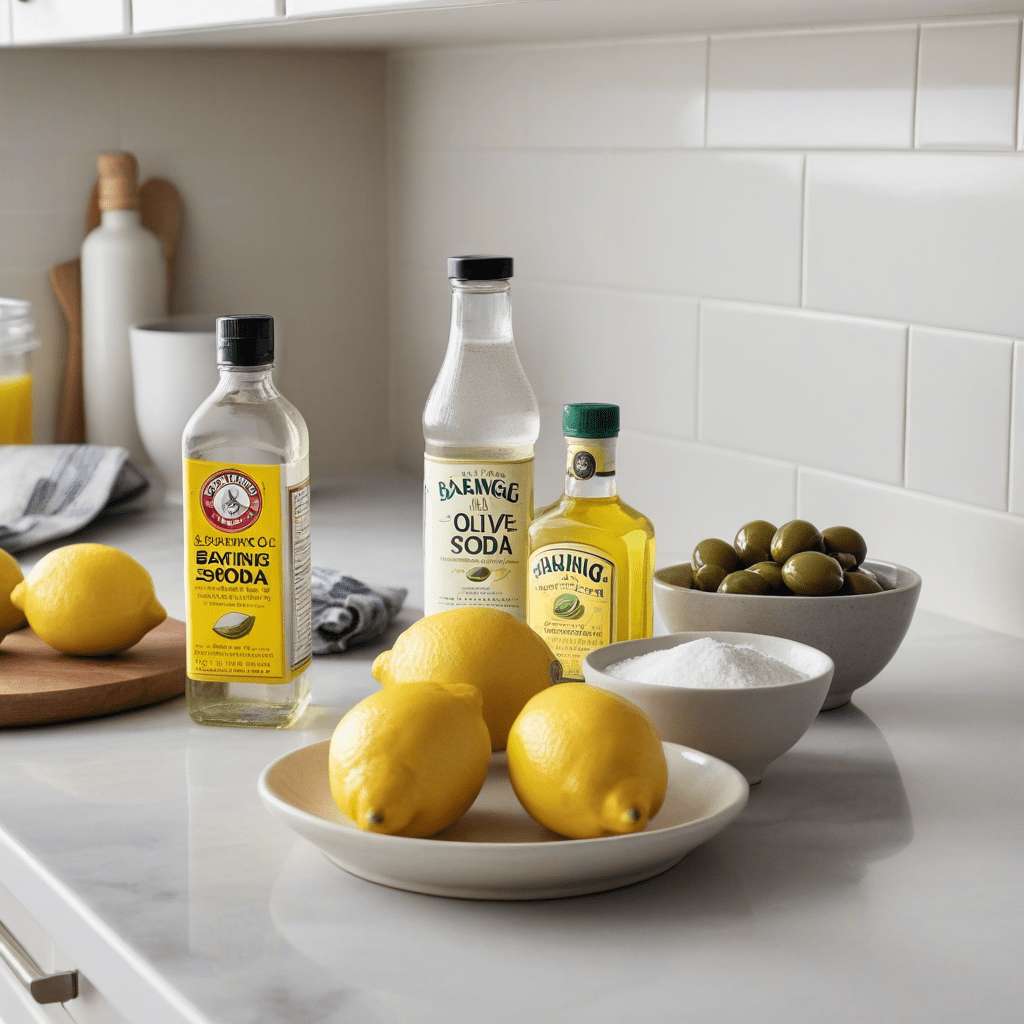
Natural polishing solutions offer effective and eco-friendly alternatives for maintaining the shine of your stainless steel surfaces. By using ingredients right from your kitchen, you can achieve a sparkling finish without harsh chemicals. Here are some natural options to consider:
- Baking Soda: Its mild abrasiveness makes it perfect for scrubbing without scratching the surface.
- Vinegar: This non-toxic cleaner effectively removes dirt and sticky residues, leaving your stainless steel gleaming.
- Olive Oil: Just a few drops can add shine and protective qualities, enhancing the beauty of your metal.
- Lemon Juice: Its natural acidity helps to remove stains while imparting a fresh scent.
To use these solutions, simply apply them with a clean cloth or sponge, buff gently, and rinse when necessary.
These methods not only protect your stainless steel but also contribute to a healthier environment. By adopting these natural polishing solutions, you’re ensuring your surfaces remain not just clean but also safe for your family.
Embrace these eco-friendly practices, and you’ll enjoy a brilliantly polished finish while doing your part for the planet!
Recommended Buffing Supplies
After exploring eco-friendly options for polishing your stainless steel, it’s time to consider the right buffing supplies to achieve the best results.
Start by selecting a variety of sanding belts tailored to different applications, ensuring you’ve got the right grit for each polishing stage. For surface conditioning, easy strip and clean discs are invaluable, while resin fiber sanding discs provide bulk efficiency without sacrificing quality. In addition, considering the materials you’ll be working with is essential for optimal results; using the appropriate sanding belts can significantly influence the finish quality.
Once you’ve perfected your sanding technique, you might also explore the benefits of using cordless steam mops for a seamless transition to cleaning and maintaining your workspace. These mops offer flexibility and ease of use, allowing you to tackle various surfaces without the hassle of tangled cords.
Invest in flap discs designed for high-density applications, as they offer excellent durability and performance.
Don’t forget to check your inventory regularly—running low on supplies can interrupt your work and lead to subpar results.
A good buffing kit is essential for achieving that high luster on your stainless steel. This should include both cut and color buffing compounds, as well as appropriate buffing wheels.
For detailed work, keep sanding sheets and pads on hand for those finishing touches.
When you have the right supplies, you’ll not only streamline your polishing process but also enhance the final appearance of your stainless steel surfaces.
Frequently Asked Questions
What Is the Ideal Environment for Polishing Stainless Steel?
To polish stainless steel effectively, you need a well-ventilated, clean workspace. Ensure the area is free from dust and contaminants, and control humidity to avoid moisture, which can affect the polishing process.
How Often Should I Polish Stainless Steel Surfaces?
You should polish stainless steel surfaces every few months or as needed, especially in high-use areas. Regular attention prevents buildup and maintains their shine, ensuring they look great and resist corrosion effectively.
Can I Polish Stainless Steel With Household Items?
Yes, you can polish stainless steel with household items like baking soda, vinegar, or olive oil. Just apply them gently with a cloth, and you’ll see a nice shine without harsh chemicals.
Is It Safe to Polish Stainless Steel Around Food?
Yes, it’s safe to polish stainless steel around food if you use non-toxic cleaners. Just ensure you thoroughly rinse the surfaces afterward to avoid any residue, keeping your cooking area safe and hygienic.
What Should I Do if I Scratch My Polished Stainless Steel?
If you scratch your polished stainless steel, gently sand the area with fine-grit sandpaper, progressing to a higher grit. Clean the surface thoroughly afterward, and consider buffing it for a smooth, restored finish.
Conclusion
Polishing stainless steel not only enhances its appearance but also protects it from corrosion. By following the outlined steps—cleaning, sanding, and buffing—you’ll achieve a smooth, shiny finish. Don’t forget to explore natural solutions like vinegar or olive oil for a gentle touch.
With the right supplies and techniques, you can maintain the beauty of your stainless steel surfaces for years to come. So go ahead, get started, and enjoy the results of your hard work!
✨ Want your stainless steel – and your whole home or office – looking polished and spotless without the hassle? At Cleaning Team, we don’t just know the best practices for polishing stainless steel, we bring that same attention to detail to every service we provide.
Whether you need house cleaning, apartment tidying, office cleaning, deep cleaning, carpet or sofa cleaning, or even after builders cleaning, our fully insured and trusted cleaners are ready to help. Serving Dublin, Kildare, Meath, Wicklow, and Louth, we make cleanliness easy and stress-free. 🚀
👉 Book your professional cleaning online in just minutes and get same-day confirmation today!